

Centre for Governance
About the Centre
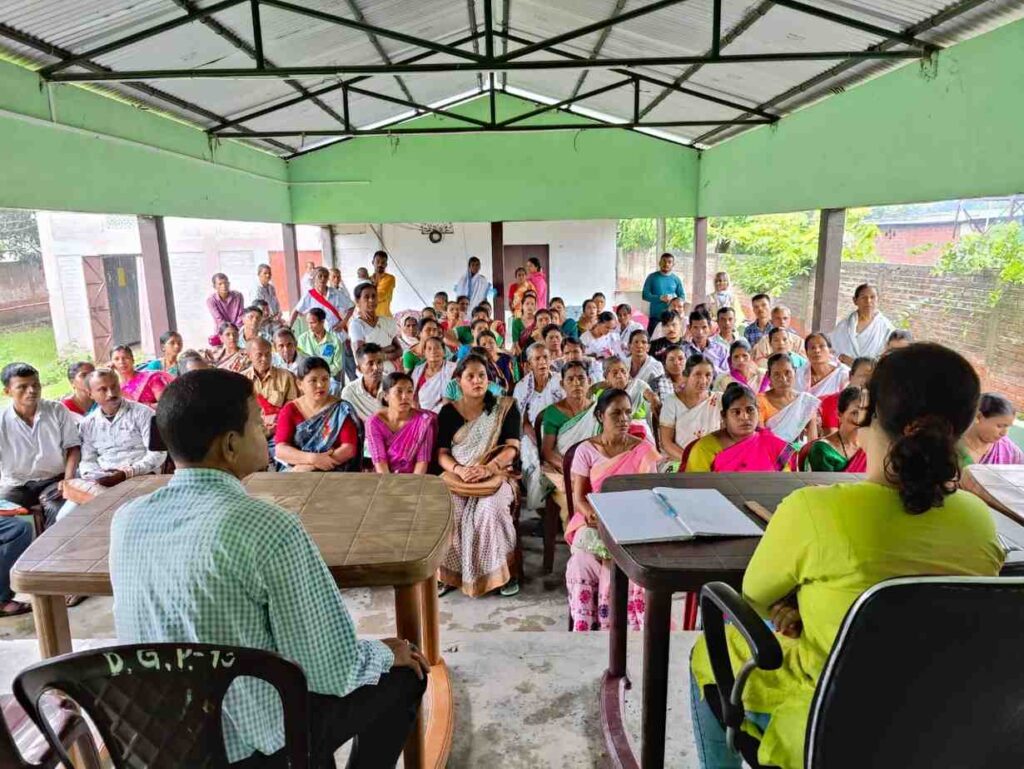
The Centre for Policy and Governance is committed to strengthening democratic institutions and advancing sustainable development through evidence-based policymaking and strategic interventions. Our work focuses on bridging policy gaps, empowering communities, and fostering collaboration between government, industry, and civil society to drive meaningful change.
We operate across diverse sectors, tackling critical issues such as climate governance, industrial decarbonization, social protection, and economic transitions. Through a combination of technical assistance, stakeholder engagement, and policy advocacy, we ensure that policies translate into effective on-ground implementation. Our approach is rooted in inclusivity, transparency, and long-term sustainability, ensuring that development efforts are both equitable and impactful.
Our Key Projects
Bridging Gaps for Industrial Decarbonization in Uttar Pradesh
To support Uttar Pradesh’s transition to a low-carbon economy, the Centre is implementing a comprehensive industrial decarbonization strategy. Our efforts focus on reducing emissions, improving energy efficiency, and ensuring economic resilience in the state’s industrial sector.
Key Objectives
- Enhancing Awareness: Conducting workshops and district-level dialogues to educate government officials, industry leaders, and MSMEs on net-zero strategies.
- Funding Pathways: Identifying and leveraging public and private finance mechanisms to support industrial transition.
- Economic Development Offices: Establishing district-level economic development offices to facilitate green growth and promote sustainable business practices.
Our Approach
- Partnerships: Collaborating with government bodies, industry associations, and research institutions to accelerate industrial decarbonization.
- Stakeholder Engagement: Facilitating policy discussions and awareness programs tailored to MSMEs, ensuring a just and inclusive transition.
- Informed Strategies: Developing customized industry handbooks and knowledge resources to help industries adopt low-carbon technologies and energy-efficient practices.
Ensuring Tea Garden Workers’ Access to Socio-Economic and Labor Rights (West Bengal)
Tea garden workers in West Bengal face persistent challenges in accessing fair wages, social protection, and plantation-specific entitlements. The Centre works closely with state and district administrations to improve the delivery of government schemes, strengthen labor rights, and create scalable policy models for wider adoption.
Key Objectives
- Assess the availability and accessibility of welfare schemes for tea workers.
- Develop a bottom-up policy framework that can be replicated across the state.
- Strengthen public service delivery through direct engagement with state and district administrations.
Our Approach
- Technical Assistance: Partnering with the Department of Post, Government of West Bengal, to facilitate Aadhaar enrollment and correction camps in multiple tea gardens, assisting 1,309 beneficiaries in accessing entitlements.
- Stakeholder Engagement: Connecting local NGOs, district magistrates, and policymakers to address gaps in service delivery.
- Monitoring & Evaluation: Establishing a real-time feedback mechanism through field partners to track public service efficiency and ensure course correction where needed.
Through collaborative partnerships, data-driven policymaking, and grassroots engagement, the Centre ensures that policies are implemented efficiently and equitably—transforming governance and improving lives at scale.