Swaniti Global

Center for Legislative Engagement for a Sustainable Future

The Centre is dedicated to strengthening legislators’ engagement in climate governance. Our mission is to equip legislators with the expertise, global insights, and tools needed to drive inclusive energy transitions, climate resilience, and environmental sustainability.

As a policy catalyst, we bridge the gap between last-mile communities and large-scale policy transformation, ensuring that the climate transition is equitable, evidence-driven, and impactful.

What we do

We work at the nexus of climate policy, governance, and legislative action across the following domains

Climate change adaptation and mitigation

Assessing climate vulnerabilities to map policy intersection points
Energy transition

Policies to accelerate clean energy adoption and decarbonization
Air quality and environmental health

Strengthening regulatory frameworks for pollution control
Green jobs and just transition

Ensuring economic opportunities in the shift to a low-carbon economy.
What Makes Us Unique?

  • Exclusive Legislative Focus: We specialize in climate policy engagement at the parliamentary level;
  • Action-Oriented Research: Our work goes beyond theory – we provide legislators with ready-to-use policy solutions.
  • Global and Local Reach: We operate at the intersection of national priorities and international climate frameworks;
  • Multi-Stakeholder Collaboration: We bring together legislators, governments, industry, academia, and civil society.

What Do We Do

Our interventions focus on capacity-building, knowledge exchange, and high-impact legislative engagement.

A small river named Duden flows by their place and supplies it with the necessary regelialia. It is a paradise

Strategic Knowledge Support

We provide legislators with the latest research and policy insights to drive well-informed decision-making through:
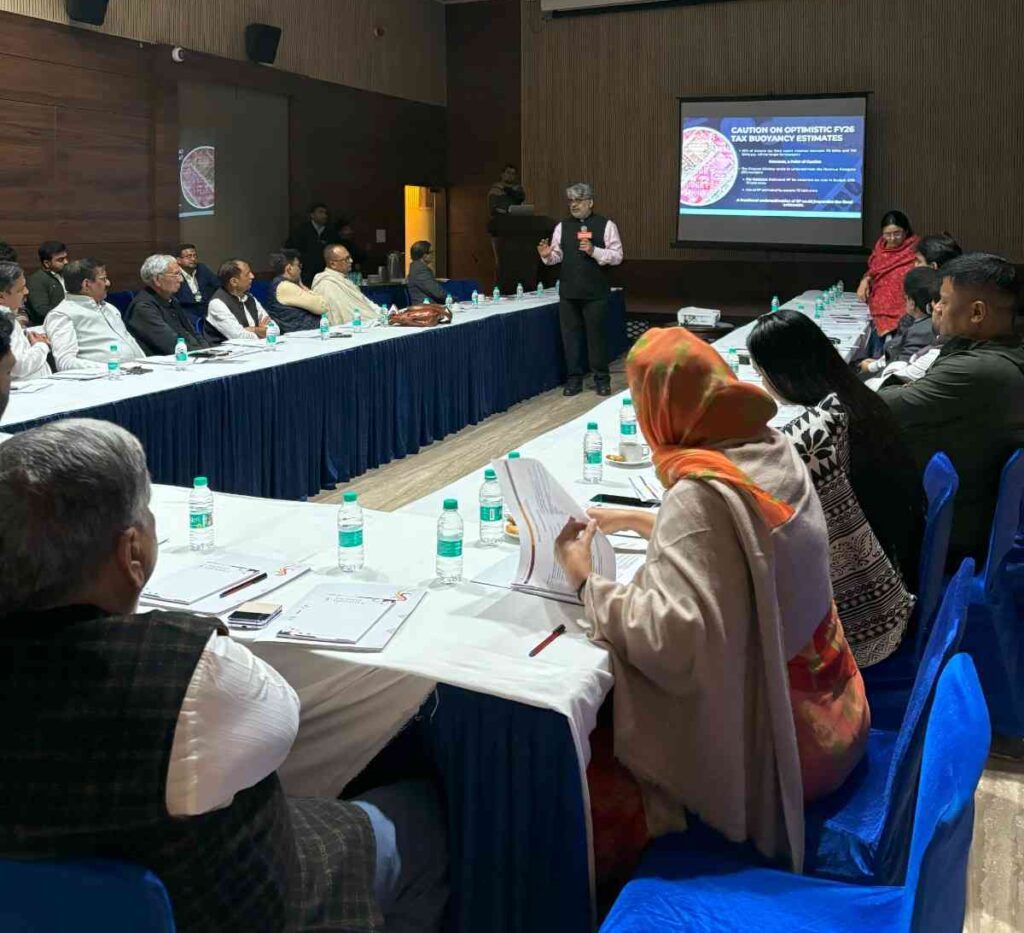
Knowledge Exchange: Closed-door discussions with subject-matter experts;
Legislative Policy Briefs: Action-oriented insights on climate governance;
Best-Practice Compendiums: Curated knowledge on successful climate approaches and energy transitions worldwide.

Immersion and Capacity-Building Opportunities

We create experiential learning opportunities for legislators to gain hands-on exposure to climate policies. These include:
Exposure Visits: International study visits to leading climate action hubs;
Climate Labs: Constituency-level immersion programs to explore best practices;
High-Level Dialogues: Policy platforms for dialogues among global and national
Global Climate Governance Platform

We position the Centre as a global convener, enabling cross-border collaborations and multi-stakeholder engagement through:
South-South and Global North Cooperation: Connecting MPs from both emerging and developed economies;
Joint Climate Advocacy Platforms: Strengthening regional climate action coalitions.

Projects

As countries prepare to revise their Nationally Determined Contributions (NDCs) ahead of COP30 in Brazil (2025), a critical opportunity emerges to enhance climate ambition, particularly in Global South nations. While various stakeholders drive climate action, the role of parliamentarians in shaping more ambitious NDCs remains underexplored.
To address this gap, the Centre is spearheading a two-phase initiative to support legislators in guiding climate commitments and national policy frameworks. The Centre actively assesses parliamentary engagement mechanisms, builds knowledge resources, and designs capacity-building programs to strengthen legislative oversight on NDCs. Through targeted interventions, we aim to position parliamentarians as key drivers of climate action in their respective countries.

Recognizing the need for inclusive and locally driven solutions, the Centre engages key stakeholders—governments, industries, workers, and legislators—to shape transition policies that balance economic growth, social equity, and environmental sustainability. The Centre serves as a dedicated knowledge hub to document best practices, enable peer learning, and provide technical assistance for transition policies. It also facilitates State-Industry-Worker Platforms in multiple states to promote participatory dialogues and provide insights for localized transition plans.

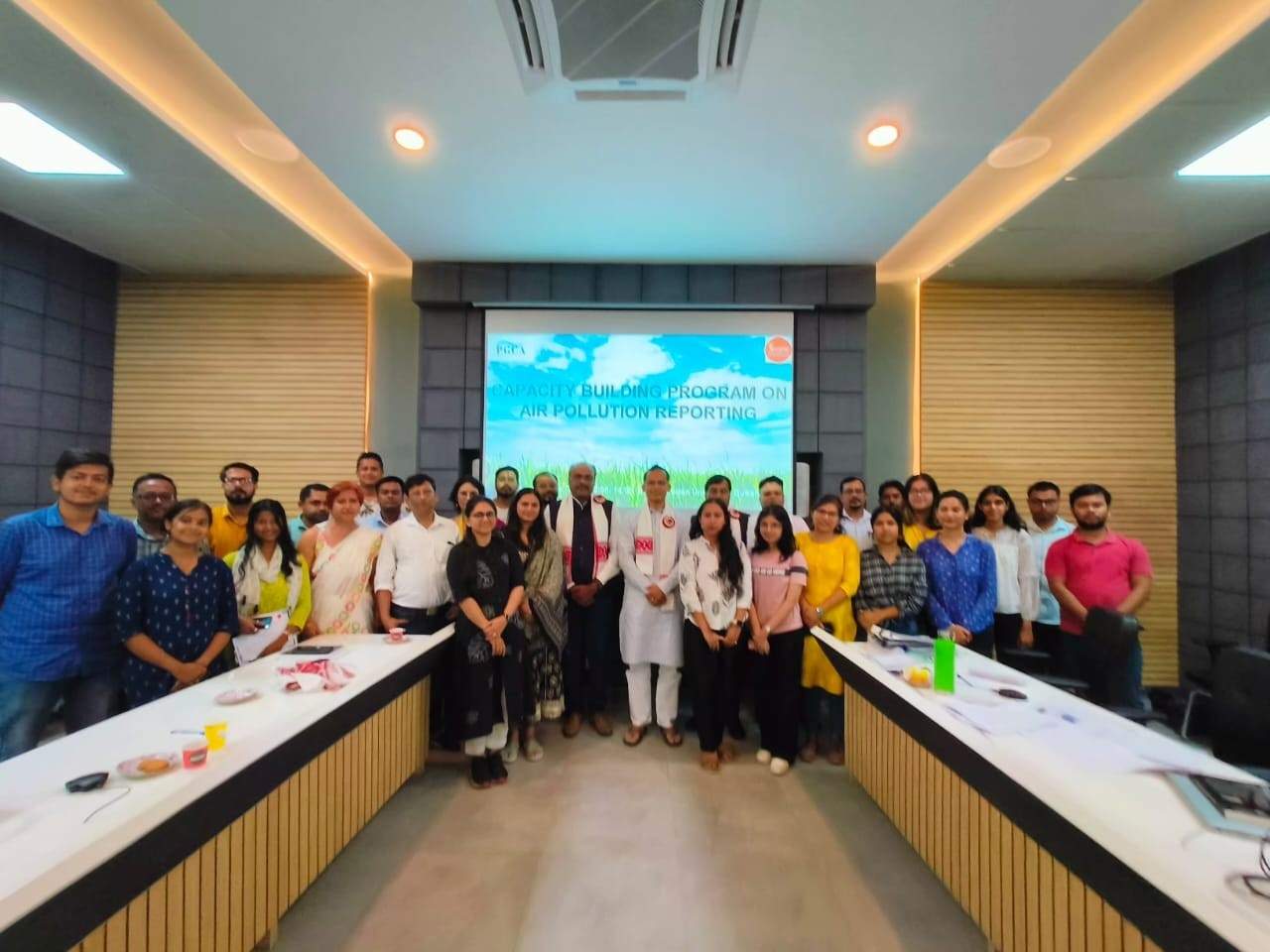
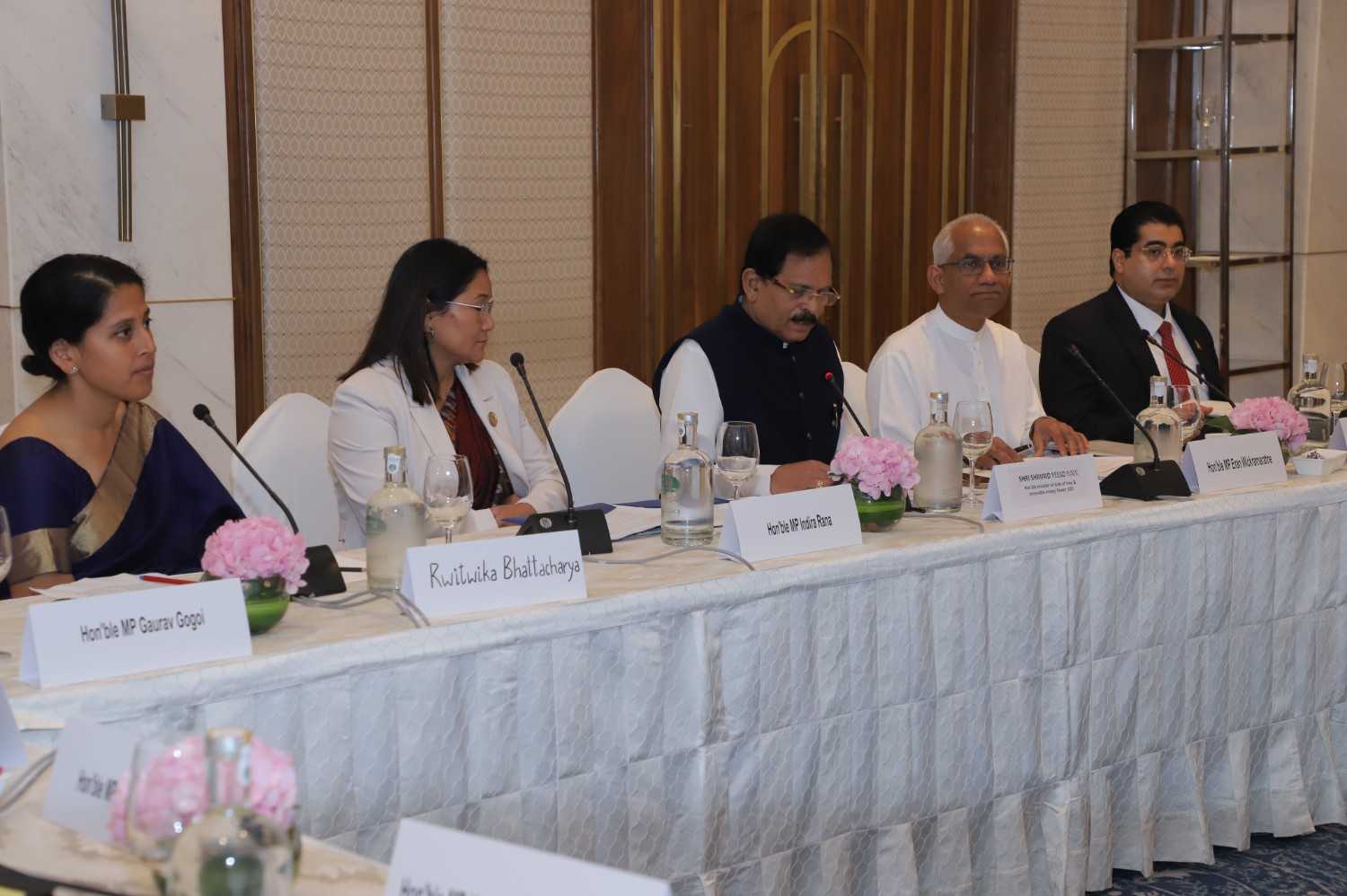
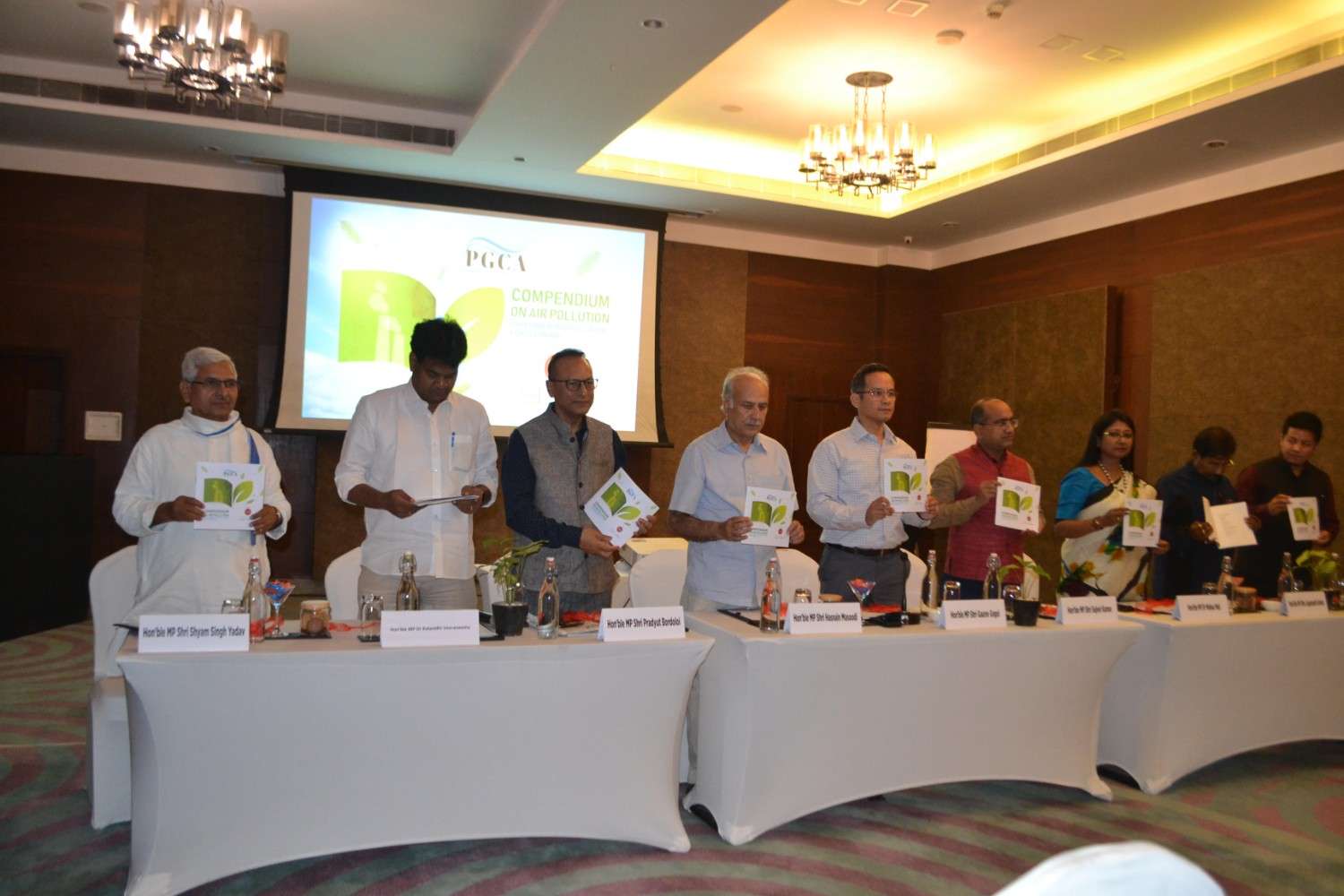
The Parliamentarians’ Group for Clean Air (PGCA) is a non-partisan, self-governed collective of Parliamentarians to drive sustainable air quality management practices and address pressing environmental challenges. Initially focused on air pollution, PGCA has evolved to take up multiple emerging issues to expand to other Global South countries for collective action. Founded in 2019, PGCA has witnessed the involvement of 56 international? parliamentarians from Global South.
The Centre, as a dedicated Secretariat to PGCA, actively monitors policy opportunities and risks in the ever-changing environmental landscape to come up with tangible policy interventions.

The Parliamentarians’ Group for Children (PGC) is a non-partisan group of parliamentarians to engage with fellow policymakers at the national and state levels in India, to take initiative on a range of issues related to child rights and hold solution-based discussions on the same. Founded in 2013, PGC has an active participation of 38 parliamentarians.

The Centre, as a dedicated Secretariat to PGC, provides research support for policy-driven actions, facilitating convenings on issues of child development and observing child-related advocacy days, to advance the PGC’s objectives.