Horticulture Plantation for Economic and Environmental Benefits

Overview: The Andhra Pradesh Department of Panchayati Raj and Rural Development, with support from Swaniti, launched a horticulture plantation project focusing on dragon fruit cultivation. This initiative aimed to provide sustainable livelihood opportunities for minority communities, including SCs, STs, nomadic tribes, and women-headed households. Impact: Swaniti’s Role: Swaniti facilitated the horticulture plantation project by conducting community consultations, providing technical expertise, and ensuring that the interventions were aligned with the needs and capabilities of the local population. The project included training programs for farmers on sustainable horticultural practices and market linkages, ensuring economic viability and environmental benefits.


Watershed Management and Soil Conservation

Overview: In Guruvajipeta, Kanigiri Mandal, Prakasam District, the Department of Rural Development and District Water Management Agency (DWMA) implemented a watershed management project to combat water scarcity and soil erosion. Swaniti supported this initiative by providing strategic planning and community engagement. Impact: Swaniti’s Role: Swaniti’s involvement included conducting detailed assessments of the watershed areas, collaborating with local stakeholders, and facilitating the construction of water conservation structures. By integrating community feedback and local knowledge, Swaniti ensured the project’s relevance and effectiveness in addressing water scarcity and soil conservation.

Farm Ponds for Water Conservation

Overview: In Kalikiri Indlu village, continuous drought had depleted groundwater levels, severely affecting agricultural productivity. MGNREGS, with assistance from Swaniti, initiated the construction of farm ponds to address water scarcity and improve the livelihoods of farmers. Impact: Swaniti’s Role: Swaniti facilitated the implementation of farm ponds by engaging with local communities, assessing their water needs, and providing technical assistance. The initiative included capacity-building sessions for farmers on water conservation techniques and sustainable agricultural practices, ensuring long-term benefits and community ownership.

Greening of Hillocks and Social Forestry

Overview: The Andhra Pradesh government, with support from Swaniti, initiated an afforestation project on dry hillocks to address water scarcity and enhance green cover. Part of the Mahatma Gandhi National Rural Employment Guarantee Scheme (MGNREGS), this project aims to improve water conservation, increase forest cover, and provide economic benefits to tribal populations. Impact: Swaniti’s Role: Swaniti played a crucial role in designing and implementing the afforestation project, focusing on community involvement and sustainable practices. By conducting field visits and focus group discussions, Swaniti ensured that the interventions were tailored to the needs of the local communities, thereby enhancing the project’s impact and sustainability.

Mangrove Restoration and Coastal Protection

Overview: Mangroves are critical to the coastal ecosystem of Andhra Pradesh, acting as natural barriers against cyclones, reducing soil erosion, and supporting biodiversity. With Andhra Pradesh possessing the second-largest coastline in India, the mangroves play a crucial role in mitigating the impacts of climate change. In collaboration with the MS Swaminathan Foundation, the Swaniti Initiative has focused on planting mangroves in the river basins of Krishna and Godavari to bolster environmental protection and community resilience. Impact: Swaniti’s Role: Swaniti facilitated the planning and implementation of the mangrove restoration project by leveraging its expertise in community engagement and sustainable practices. The initiative involved extensive consultations with local stakeholders, including government agencies and community leaders, to ensure the project’s success and sustainability.

Enhancing Community Safety and Energy Efficiency through Solar Lights

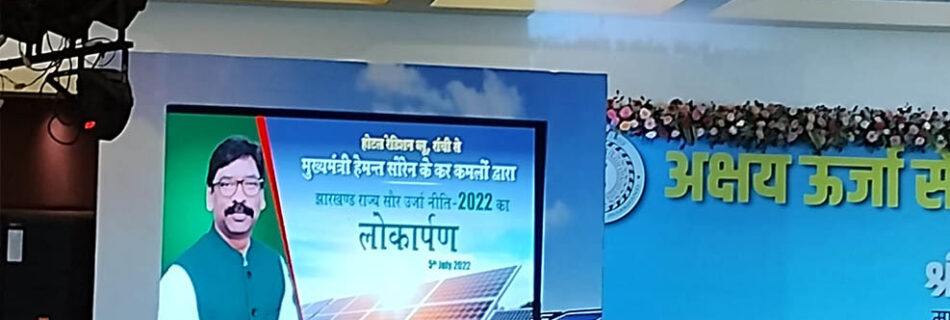
Overview: In Jharkhand, the deployment of solar street lights has been a crucial component of the JH-RESET initiative, aimed at replacing traditional grid-connected street lighting with sustainable and renewable energy alternatives. These solar lights include high mast lights, mid mast lights, and streetlights strategically installed across public spaces, roads, and community gathering points. Impact: 5

Transforming Healthcare Delivery with Solar Rooftop Systems

Overview: Under the JH-RESET programme in Jharkhand, solar rooftop systems have been installed in healthcare facilities across the state. These systems aim to provide reliable and sustainable electricity, essential for uninterrupted healthcare services in remote and underserved areas. Impact: 3

Transformation in Agricultural Practices

Overview: The implementation of the JH-RESET programme in Jharkhand has brought about a significant transformation in agricultural practices, particularly through the adoption of solar water pumps under the PM-KUSUM scheme. Historically, Jharkhand’s farmers have faced challenges due to dependency on erratic monsoons and high operational costs associated with diesel pumps for irrigation. The introduction of solar water pumps aims to alleviate these issues by providing a sustainable and reliable alternative, thereby enhancing agricultural productivity and economic stability in the region. Impact: The impact of the solar water pumps deployed under the JH-RESET programme has been profound 2

Redefining State-Owned Enterprises in the Era of Energy Transition

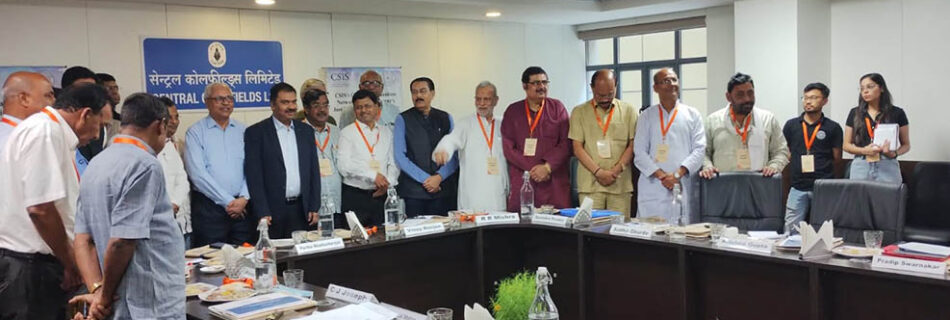
Sandeep Pai, Chinmayi Shalya, Rishi Kishore, Ishita Kapoor, Sankalp Arpit About the Event To achieve the Paris Agreement’s goal of limiting global warming to well below 1.5 degrees Celsius, State-Owned Enterprises (SoEs) must play a central role in rapidly decarbonizing the energy sector. SoEs, which control nearly 50% of global coal-based power capacity, are particularly influential in the Global South, where they lead fossil fuel extraction and power generation. Recognizing their critical role, Swaniti Global and Coal India Limited (CIL) hosted a one-day conference titled “Driving Sustainability in State-Owned Enterprises.” The event brought together over 50 delegates from 20 global and Indian SoEs in the coal-mining and coal-based power sectors, including NTPC, Eskom Holdings SOC Ltd., and MAHAGENCO. The closed-door discussions focused on two key themes: business diversification and asset repurposing for a just transition. Learn More